Elevate your nonprofit’s impact with effective digital marketing strategies. Discover how to engage supporters and boost your cause like never before!
Understanding Nonprofit Digital Marketing
In today’s digital age, nonprofit organizations must embrace digital marketing to effectively promote their causes and engage with supporters. Digital marketing involves using online platforms and tools to communicate with your target audience, build relationships, and drive donations or volunteer support. Unlike traditional marketing, digital marketing offers more precise targeting, real-time analytics, and the ability to reach a global audience at a fraction of the cost. For nonprofits operating on limited budgets, these advantages can make a significant difference in their ability to fulfill their missions.
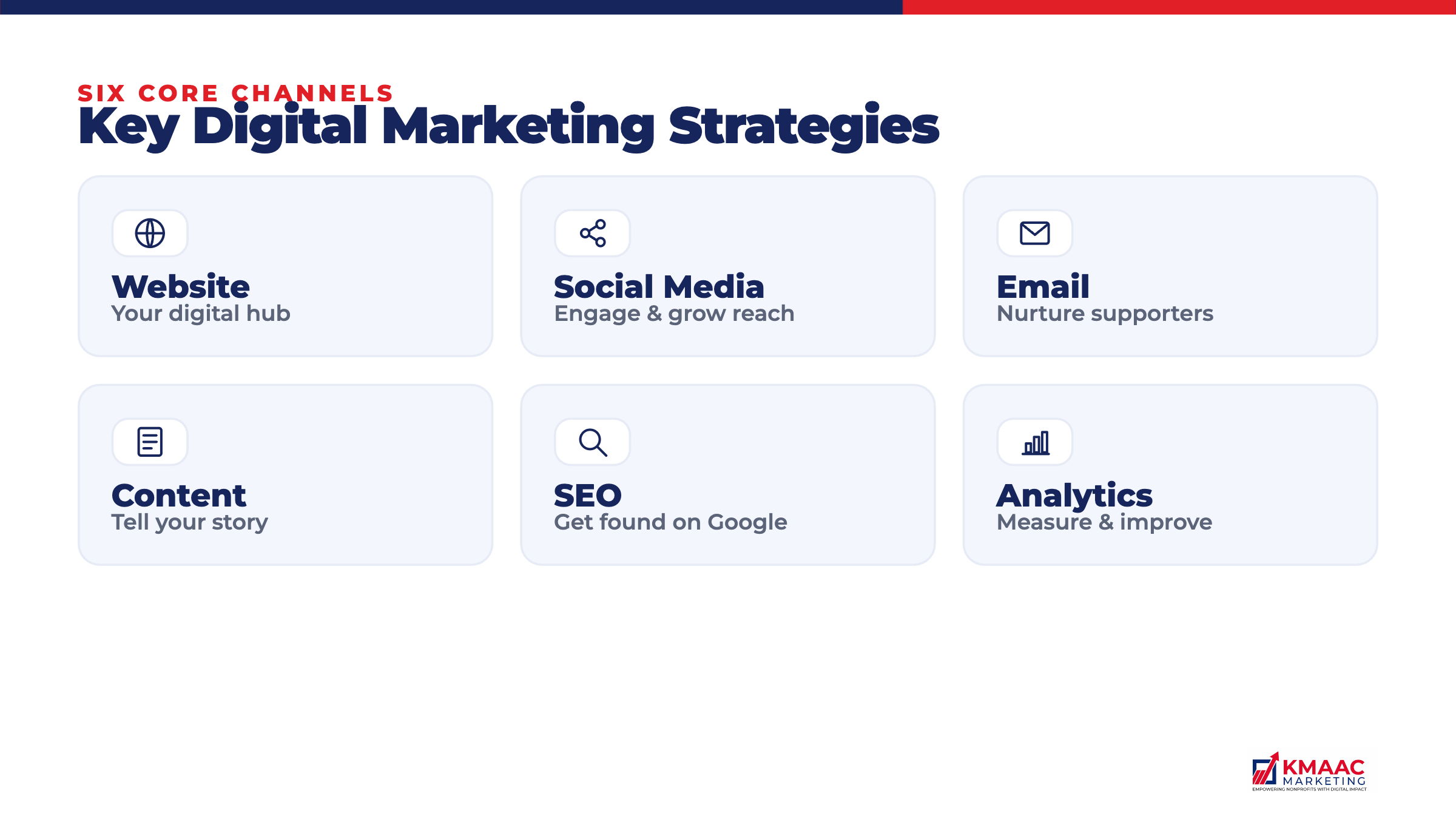
Understanding digital marketing begins with recognizing the various channels available, such as websites, social media, email, and search engines. Each channel offers unique opportunities to connect with potential donors, volunteers, and advocates. For example, a well-designed website serves as the hub of your digital presence, offering information about your organization, its mission, and how people can get involved. Social media platforms, on the other hand, provide a more interactive way to engage with your audience and share real-time updates about your activities.
A comprehensive digital marketing strategy for nonprofits also involves understanding the importance of storytelling. People are more likely to support a cause when they feel a personal connection to it. By sharing compelling stories about the individuals or communities you serve, you can humanize your mission and inspire action. Digital marketing tools like video, infographics, and blog posts can enhance your storytelling efforts and make your message more relatable and impactful.
Importance of Digital Marketing for Nonprofits
The importance of digital marketing for nonprofits cannot be overstated. In an era where information is just a click away, having a robust online presence is crucial for building awareness and credibility. Digital marketing allows nonprofits to reach a broader audience than traditional methods, making it easier to attract new supporters and retain existing ones. With the right strategies in place, nonprofits can significantly increase their visibility, generate more donations, and mobilize more volunteers.
One of the key benefits of digital marketing is its cost-effectiveness. Traditional marketing methods like print ads, direct mail, and television commercials can be prohibitively expensive for many nonprofits. Digital marketing, however, offers a range of affordable options, from social media advertising to email campaigns. These methods not only cost less but also provide better targeting and measurement capabilities. For instance, social media platforms allow you to target specific demographics, interests, and behaviors, ensuring that your message reaches the right people.
Additionally, digital marketing provides invaluable data and insights that can help nonprofits optimize their efforts. Tools like Google Analytics, social media analytics, and email marketing software offer detailed reports on user behavior, engagement rates, and conversion metrics. By analyzing this data, nonprofits can identify what’s working and what’s not, allowing them to adjust their strategies for better results. This data-driven approach ensures that resources are used efficiently and that campaigns are continually improved to maximize impact.
Key Digital Marketing Strategies for Nonprofits
To make the most of digital marketing, nonprofits need to implement a variety of strategies tailored to their unique goals and audience. Here are some key strategies that can help nonprofits boost their impact and achieve their mission.
Building a Strong Online Presence
A strong online presence starts with a well-designed website that effectively communicates your mission and provides easy access to information about your programs, events, and how to get involved. Your website should be visually appealing, user-friendly, and optimized for both desktop and mobile devices. Ensure that your site includes clear calls to action, such as donation buttons, volunteer sign-up forms, and links to your social media profiles. Regularly updating your website with fresh content, such as blog posts, news updates, and success stories, can keep visitors engaged and encourage repeat visits.
In addition to your website, having a consistent brand identity across all online platforms is essential. This includes using a cohesive color scheme, logo, and messaging that reflect your organization’s values and mission. Consistency helps build trust and recognition among your audience, making it easier for them to identify and connect with your brand. Make sure that your social media profiles, email templates, and other digital assets align with your overall brand identity.
Leveraging Social Media for Engagement
Social media platforms like Facebook, Twitter, Instagram, and LinkedIn offer powerful tools for engaging with your audience and spreading your message. Each platform has its own strengths and user demographics, so it’s important to choose the ones that best align with your target audience. For example, Facebook is great for reaching a broad audience and sharing detailed updates, while Instagram is ideal for visual storytelling and reaching younger demographics.
To effectively leverage social media, start by creating a content calendar that outlines your posting schedule and the types of content you plan to share. This can include updates about your programs, success stories, calls to action, and behind-the-scenes glimpses of your work. Engaging visuals, such as photos and videos, can significantly increase engagement rates, so be sure to incorporate them into your posts. Additionally, using hashtags relevant to your cause can help increase your visibility and reach a wider audience.
Interacting with your followers is key to building a strong social media presence. Respond to comments, messages, and mentions in a timely manner, and encourage discussions by asking questions and soliciting feedback. Hosting live events, such as Q&A sessions or virtual fundraisers, can also boost engagement and provide a platform for real-time interaction with your supporters. Remember to track your social media performance using analytics tools to identify what’s working and adjust your strategy accordingly.
Email Marketing Best Practices for Nonprofits
Email marketing remains one of the most effective ways for nonprofits to communicate with their supporters. A well-crafted email campaign can help you build relationships, keep your audience informed, and drive donations and volunteer sign-ups. To get the most out of your email marketing efforts, start by building a high-quality email list. Encourage website visitors, event attendees, and social media followers to subscribe to your newsletter by offering valuable incentives, such as exclusive content or early access to event tickets.
Segmenting your email list allows you to tailor your messages to different groups of supporters, increasing the relevance and effectiveness of your campaigns. For example, you might send different emails to donors, volunteers, and general supporters, each with content that speaks directly to their interests and motivations. Personalization, such as addressing recipients by name and referencing their past interactions with your organization, can also enhance engagement and build a stronger connection with your audience.
When crafting your emails, focus on creating compelling subject lines that grab attention and encourage recipients to open your messages. Keep your content concise and engaging, using a mix of text, images, and links to make your emails visually appealing and easy to read. Clear calls to action, such as buttons or links to donate, sign up, or learn more, should be prominently displayed. Regularly analyze your email performance metrics, such as open rates, click-through rates, and conversion rates, to identify areas for improvement and optimize your future campaigns.
Content Marketing Strategies to Tell Your Story
Content marketing is all about creating and sharing valuable content that resonates with your audience and drives them to take action. For nonprofits, this means telling compelling stories that highlight the impact of your work and the people you serve. By showcasing real-life examples of how your organization is making a difference, you can humanize your mission and inspire greater support.
Start by identifying the key messages and themes that you want to convey through your content. This might include success stories, testimonials from beneficiaries, behind-the-scenes looks at your programs, and updates on your progress and achievements. Use a variety of content formats, such as blog posts, videos, infographics, and social media posts, to keep your audience engaged and cater to different preferences.
Consistency is crucial when it comes to content marketing. Develop a content calendar that outlines your publishing schedule and ensures a steady stream of fresh content. This can help you stay organized and ensure that you are regularly communicating with your audience. Additionally, repurposing content across different platforms can help you reach a wider audience and reinforce your key messages. For example, you might turn a blog post into a video or create an infographic based on a report.
Encouraging user-generated content can also enhance your content marketing efforts. Invite your supporters to share their own stories, photos, and experiences related to your cause. This not only provides you with additional content but also fosters a sense of community and involvement among your audience. Be sure to acknowledge and share user-generated content on your platforms to show appreciation and build stronger connections with your supporters.
Utilizing SEO to Increase Visibility
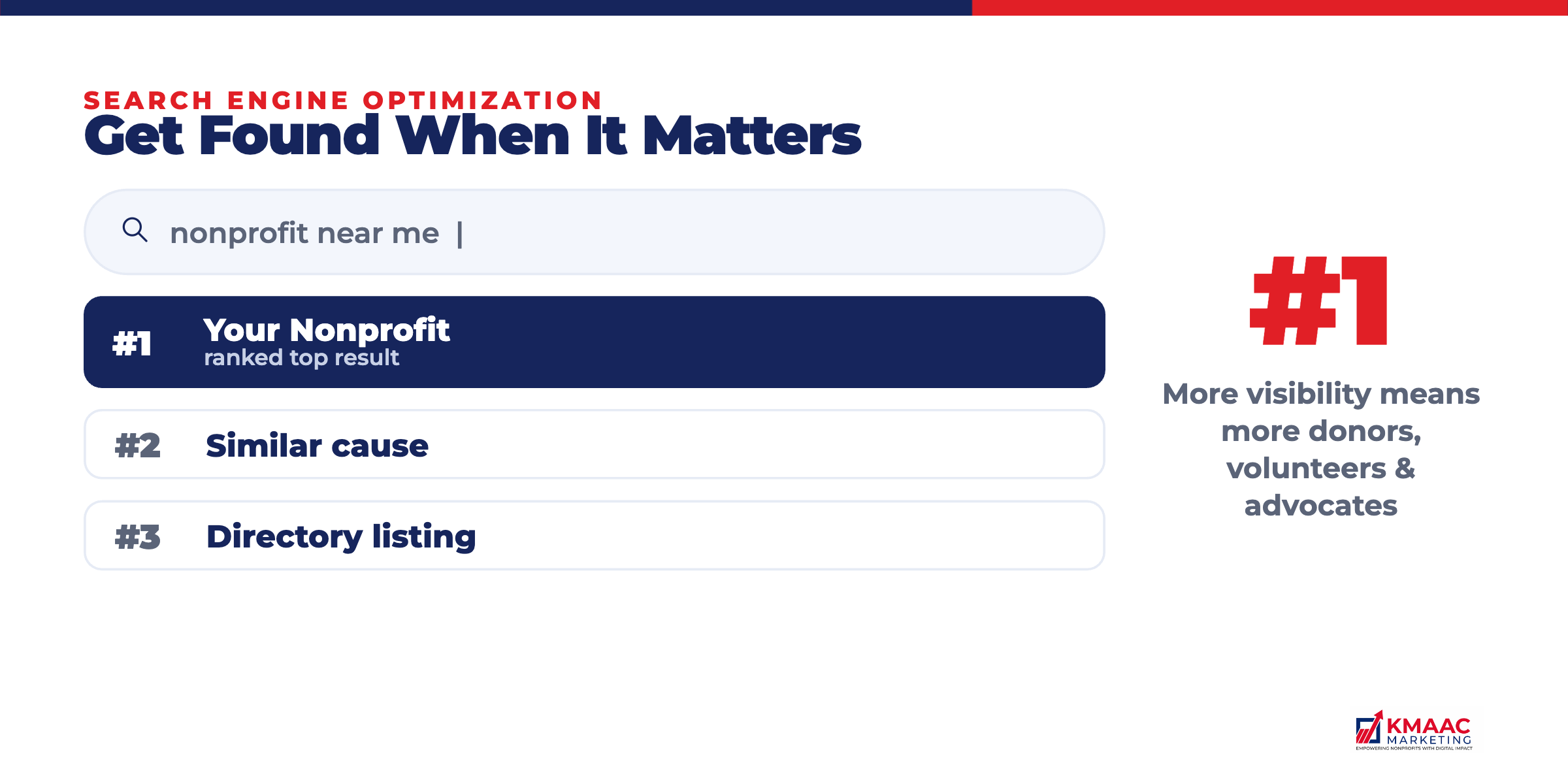
Search engine optimization (SEO) is a critical component of any digital marketing strategy, as it helps improve your website’s visibility on search engines like Google. Higher visibility means more people can find your organization when searching for relevant keywords, leading to increased website traffic and potential support. For nonprofits, effective SEO can make a significant difference in attracting new donors, volunteers, and advocates.
Start by conducting keyword research to identify the terms and phrases that your target audience is likely to use when searching for information related to your cause. Tools like Google Keyword Planner, Ahrefs, and SEMrush can help you find relevant keywords with good search volume and low competition. Once you have a list of target keywords, incorporate them naturally into your website’s content, including page titles, headings, meta descriptions, and body text.
Creating high-quality, informative content that addresses the needs and interests of your audience is essential for effective SEO. Search engines prioritize content that is valuable and relevant, so focus on producing articles, blog posts, and other resources that provide useful information and answer common questions related to your cause. Regularly updating your content and adding new pages can also improve your website’s search engine ranking.
In addition to on-page SEO, building backlinks from reputable websites can boost your site’s authority and improve its search engine ranking. Reach out to other organizations, bloggers, and media outlets to secure guest posts, collaborations, and mentions that include links back to your website. Engaging with your community through social media and online forums can also help generate organic backlinks and increase your online presence.
Measuring Success: Analytics and KPIs for Nonprofits
Measuring the success of your digital marketing efforts is crucial for understanding what’s working and where improvements are needed. Key performance indicators (KPIs) and analytics tools can provide valuable insights into your campaigns’ effectiveness and help you make data-driven decisions. For nonprofits, tracking the right metrics can ensure that your resources are used efficiently and that you are maximizing your impact.
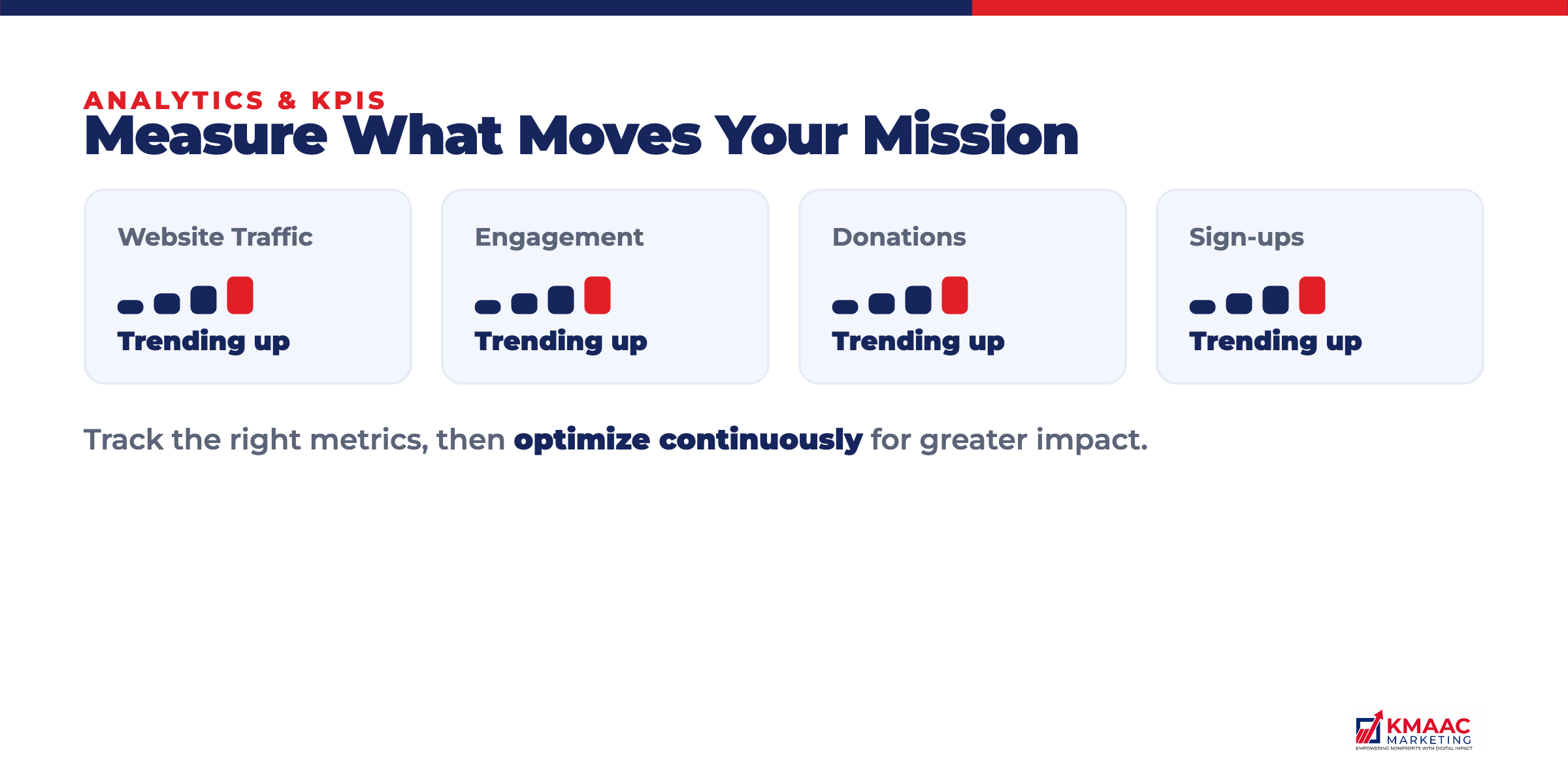
Start by defining your goals and the KPIs that will help you measure progress toward those goals. Common KPIs for nonprofits include website traffic, social media engagement, email open and click-through rates, donation conversion rates, and volunteer sign-ups. Each of these metrics can provide insights into different aspects of your digital marketing efforts and help you identify areas for improvement.
Google Analytics is a powerful tool for tracking website performance and understanding user behavior. It can provide detailed reports on metrics such as page views, bounce rates, session duration, and conversion rates. By analyzing this data, you can identify which pages and content are most effective at engaging visitors and driving desired actions. Social media analytics tools, such as Facebook Insights and Twitter Analytics, can help you track engagement metrics and understand how your audience is interacting with your content.
Regularly reviewing your KPIs and analytics reports allows you to make informed decisions and adjust your strategies for better results. For example, if you notice that certain types of social media posts receive higher engagement, you can prioritize creating similar content. Similarly, if your email open rates are lower than expected, you might experiment with different subject lines or segment your list more effectively. By continually optimizing your efforts based on data, you can ensure that your digital marketing campaigns are as effective as possible.
Conclusion: Taking Action for Your Cause
Digital marketing offers nonprofits unparalleled opportunities to elevate their impact and achieve their missions. By understanding the importance of digital marketing and implementing key strategies, nonprofits can build a strong online presence, engage with supporters, and drive meaningful action. From leveraging social media and email marketing to creating compelling content and optimizing for search engines, there are numerous ways to connect with your audience and promote your cause.
As you embark on your digital marketing journey, remember that consistency, creativity, and data-driven decision-making are key to success. Regularly review your performance, experiment with different approaches, and continuously refine your strategies to ensure that you are making the most of your resources. With the right digital marketing strategies in place, your nonprofit can reach new heights and make a lasting difference in the lives of those you serve.
Taking action for your cause starts with a commitment to embracing digital marketing and leveraging its power to connect with your audience. Whether you are a small grassroots organization or a large established nonprofit, the principles and strategies outlined in this article can help you boost your impact and achieve your goals. So, take the first step, implement these strategies, and watch your nonprofit thrive in the digital age.
Ready to grow your nonprofit’s impact?
KMAAC Marketing helps mission-driven nonprofits build their online presence with SEO, social media marketing, video, and full-service digital marketing for nonprofits. Contact our team or get a free marketing audit to start growing your cause.